Overview
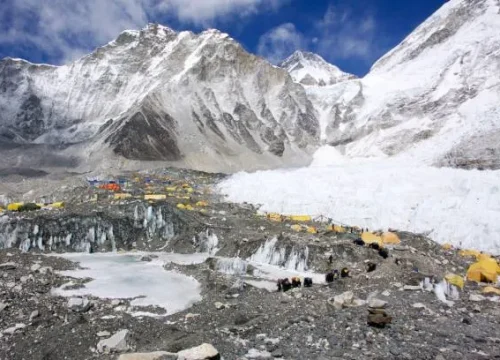
Manaslu Circuit Trek provides amazing natural scenery and leaves guests in awe! It is regarded as one of Nepal’s finest hikes. On this Manaslu Circuit Trek, visitors will encounter a variety of local wildlife, geographical treasures, the remains of an ancient civilization, and even some of the best scenic sights and landscapes in the country as you travel everywhere while navigating the difficult terrain. The most beautiful wildflower blooming can be seen in the hills, which turn this environment into an outburst of colors and make for a spectacular spectacle.
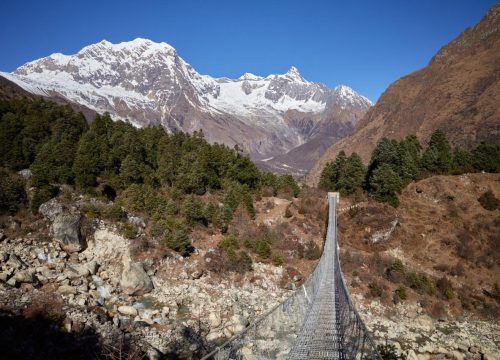
Beginning at Arughat-Soti Khola and concluding in Syange for the Manaslu Circuit Trek. The route follows the Budhi Gandaki River and travels thru the Tibetan-dominated mountains, including Machha Khola, Jagat, and Philim. Numerous little chortens, tall mani walls, glaciers, and historic Buddhist temples will be visible.
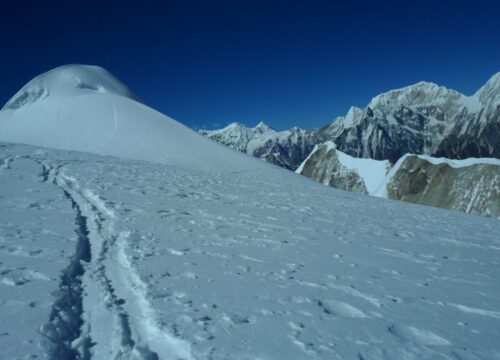
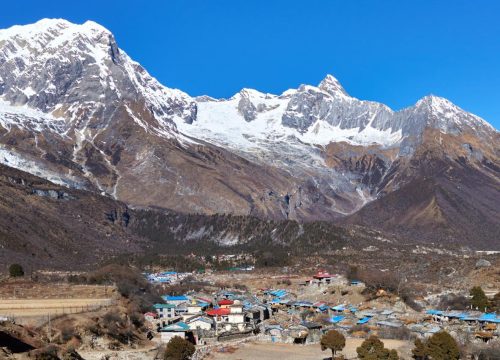
The journey from Philim to Samdo passes through the villages of Deng, Namrung, Lho, Sama Gaun, and ultimately Samdo. Of all of these communities, Sama Gaon is the largest town. Visitors can take a detour from Sama Gaun to Punggyen Gompa or Manaslu Base Camp. The trek’s maximum height is Larkya La Pass, which is located at a height of 5,135 meters. You can see the majestic Annapurna II, Annapurna IV, Kang Guru, Himlung Himal, and Cheo Himal from Larkya La Pass.
The Manaslu Circuit Trek is one of Nepal’s undiscovered routes. It does, however, just call for fitness level. You must hike for roughly six to seven hours each day to complete the Manaslu trip. A physically fit body is not necessary to participate in the Manaslu Trek. It will be to your advantage if you have sufficient past trekking experience. However, it is advisable to engage in activities like walking a few times before the walk for those who have never had such encounters.
The Manaslu Circuit Trek is a wonderful synthesis of various cultures, spectacular vistas, and geological wonders. This leads visitors on a tour of some of the world’s tallest peaks, most of which soar over 8000 meters. With its stunning beauty and hard journey up to high elevations, the Manaslu Circuit Trek is a complete package for both rushes of adrenaline and explorers alike. It is the ideal setting to live beyond your concerns and anxieties and submerge yourself in this tranquil and relaxing atmosphere.
| Group size | 1 – 15 people |
| Trip duration |
15 days |
| Service level | Standard |
| Activities | Trekking and sightseeing |
| Maximum altitude: | 5,160 m |
| Physical rating | Challenging |
| Arrival / Departure at | Kathmandu / Kathmandu |
| Transport: | Private / Local vehicle between destinations for the activities included in the itinerary |
| Meals included: | Breakfast in Kathmandu; all meals during trekking; a welcome dinner and a farewell dinner |
| Accommodation: | 3-star hotels or equivalent in Kathmandu; tea houses during trekking. All accommodation is on a double occupancy basis |
| Age requirements: | 12+ (children under 18 must be accompanied by parent(s) |
Meals during Trekking:
During the trekking journey, you will have breakfast and dinner at the teahouses where you stay for the night. Lunch will be provided at various restaurants along the trekking route. The teahouses typically serve the traditional Nepali meal known as Dal Bhat, which consists of rice and lentils. Additionally, they offer a variety of other food items such as rice, vegetables, noodles, potato soup, and even Western dishes like pizza, pasta, and French fries.
At lower altitudes, you can usually find non-vegetarian options available. However, at higher altitudes, due to storage limitations, fresh meat may not be readily available at some teahouses. Instead, they might serve preserved meat like sausages or salami.
Every meal will come with a serving of tea or coffee, keeping you warm and energized during your trek. If you desire soft drinks, snacks, or beer, you can purchase them at most teahouses and restaurants along the trail.
Accommodation during the Manaslu Circuit Trek
During the Manaslu Circuiit Trek primarily consists of tea houses or guesthouses. These are basic lodges that provide shelter and meals to trekkers along the trail. Here are some key points about accommodation on the Manaslu Circuit Trek:
Tea houses:
Tea houses are the most common form of accommodation on the Manaslu Circuit Trek. They are simple, family-run lodges that offer basic amenities for trekkers. While the facilities may be basic, teahouses provide a warm and comfortable place to rest after a day of trekking.
Room Sharing:
In teahouses, you’ll usually find twin-sharing rooms with two single beds. Occasionally, you may find rooms with multiple beds (dormitory style), especially at higher elevations where space is limited.
Bedding:
Teahouses provide blankets and sometimes mattresses, but it’s a good idea to bring your own sleeping bag for added warmth and comfort, especially during the colder months.
Common Areas:
Teahouses have communal dining areas where you can enjoy meals and socialize with other trekkers. These areas often have a central heating stove to keep you warm in the evenings.
Toilets and Showers:
The toilet facilities are usually shared and basic, with squat or western-style toilets. Hot showers are available at some tea houses for an additional cost. However, at higher altitudes, warm showers may not always be available due to limited resources.
Electricity and Charging:
Most tea houses have Solar electricity, but it can be unreliable, especially at higher altitudes. Charging electronic devices may incur an extra cost, so it’s advisable to carry a power bank for backup.
Remote Locations:
As the Manaslu Circuit Trek takes you through remote regions, the teahouse facilities become more basic at higher altitudes. Be prepared for rustic conditions, and it’s recommended to have a flexible and adventurous mindset.
Camping Option:
While teahouses are the primary form of accommodation, camping is also an option for those seeking a more immersive and private experience. Camping allows you to venture off the main trail and explore less-trodden routes.
Drinking Water, during the Manaslu Circuit Trek:
To reduce environmental impact, the use of bottled water is discouraged on the trail. Instead, all teahouses provide boiled water at a nominal cost, which is safe for trekkers to drink. It’s highly recommended to bring your own reusable or thermal water bottles. Thermal bottles have the added advantage of keeping your beverage warm, providing a delightful treat for your stomach during cold temperatures on the trek. Alternatively, you can use water filtration or chemical disinfection methods to purify water.
Physical Condition & Experience Requirements:
The Manaslu Circuit Trek is considered fairly challenging, but it is manageable for individuals who can walk for approximately 6–7 hours a day with a light daypack. If you have pre-existing medical conditions such as heart or lung diseases, high blood pressure, or any other health concerns, it’s crucial to inform the staff at Manaslu Expert before booking the trek. Consulting with your doctor beforehand is highly recommended.
To prepare for the trek, it’s beneficial to engage in regular exercise and walking or hiking for a few weeks leading up to the trip. To enhance your strength and endurance, you can simulate the trekking conditions by hiking on difficult terrains with some elevation gain while carrying a day pack with a 3-5 kg load.
Best Time to Travel:
The temperature in the mountains can drop significantly during the winter season, and heavy rainfall is common during the monsoon season. For the most pleasant trekking experience, it’s recommended to plan your trip during the spring (March to May) or autumn (September to November) seasons, as they offer the best weather conditions for the Manaslu Circuit Trek.
Highlights
- Scenic Drive from Kathmandu: Picturesque drive to Machha Khola with breathtaking views.
- Magnificent Mountain Views: Spectacular vistas of world’s highest peaks.
- Trek along Budhi Gandaki River Gorge: Deep gorges and lush valleys.
- Larkya La Pass: Highest point with awe-inspiring panoramas.
- Rich Biodiversity: Diverse flora and fauna throughout.
- Captivating Flora and Fauna: Spot elusive snow leopards and Himalayan wildlife.
- Immersion in Local Culture: Experience Hindu and Buddhist traditions.
- Traditional Himalayan Villages: Interact with friendly locals in charming villages.
- Monasteries and Gompas: Ancient spiritual sites enrich the journey.
- Sense of Accomplishment: Rewarding and challenging trek with lasting memories.